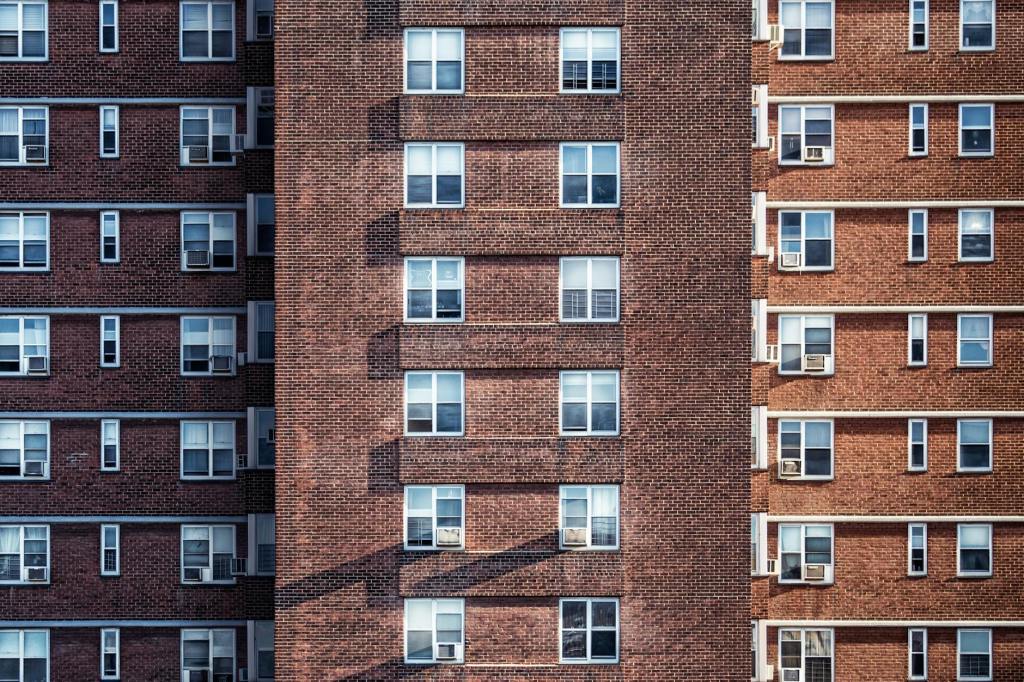
Finding housing in Germany is often described as the hardest part of moving here — and honestly, that’s not an exaggeration.
After living in Germany for over a decade, helping friends relocate, and going through the process myself more than once, I can confidently say this:
👉 If you understand how the German housing system works, your chances improve dramatically.
This guide will walk you through everything you need to know about housing in Germany as an expat, from how the system works to common mistakes, documents, and realistic expectations.
Why Housing in Germany Is So Challenging
Germany has a very different rental culture compared to many other countries:
- Most people rent long-term
- Apartments are often unfurnished
- Competition is extremely high in cities
- Landlords are very risk-averse
- Paperwork matters a lot
In big cities like Berlin, Munich, Hamburg, or Frankfurt, it’s normal to apply to 20–50 apartments before getting one.
This doesn’t mean it’s impossible — it means you need to be prepared.
Types of Housing in Germany
1. Apartments (Wohnung)
This is the most common option for long-term living.
Typical features:
- Usually unfurnished (no furniture, sometimes no kitchen)
- Long-term contracts
- Tenant protection laws (good for renters)
👉 Best for: professionals, families, long-term residents
2. Shared Flats (WG – Wohngemeinschaft)
You rent a room and share common areas.
Pros:
- Cheaper
- Easier to get as a newcomer
- Social integration
Cons:
- Less privacy
- Often temporary
👉 Best for: students, newcomers, short-term stays
3. Furnished / Temporary Housing
Often rented for 1–6 months.
Pros:
- Easy start
- No furniture needed
Cons:
- Expensive
- Not always accepted for registration (Anmeldung)
👉 Best for: first weeks or months in Germany
How the German Rental Market Works
Cold Rent vs Warm Rent
You’ll see these terms everywhere:
- Kaltmiete (Cold rent): base rent only
- Warmmiete (Warm rent): rent + utilities (except electricity/internet)
Always clarify what is included.
Deposits (Kaution)
- Usually 3 months cold rent
- Must be returned when you move out (if no damage)
Documents You Need to Rent an Apartment
This is where many expats struggle.
Typical documents:
- Copy of passport
- Proof of income (last 3 payslips or work contract)
- SCHUFA credit report
- Rental application form
- Sometimes a cover letter (yes, really)
👉 I explain this in detail here:
How to Find an Apartment in Germany as an Expat (internal link)
SCHUFA Explained (Short Version)
SCHUFA is Germany’s credit scoring system.
- Newcomers usually have no score
- No score ≠ bad score
- Some landlords still reject applicants without it
👉 Full guide:
SCHUFA Explained for Foreigners (internal link)
Where to Look for Housing in Germany
Most common platforms:
- ImmobilienScout24
- WG-Gesucht
- Immowelt
- Local Facebook groups
Be careful with:
- Requests for money before viewing
- Offers that seem “too easy”
- Fake landlords abroad
👉 Read:
Rental Scams in Germany and How to Avoid Them (internal link)
Anmeldung and Housing (Very Important)
To officially live in Germany, you need to register your address (Anmeldung).
For this, you need:
- A valid rental contract
- A Wohnungsgeberbestätigung (landlord confirmation)
⚠️ Not all temporary apartments provide this document.
👉 Full explanation:
Anmeldung Explained: How Registration Works in Germany
Housing Costs in Germany (Realistic Overview)
Approximate monthly rents (warm):
- Berlin: €800–1,300
- Munich: €1,200–1,800
- Hamburg: €900–1,400
- Smaller cities: €600–1,000
Prices vary hugely by neighborhood and demand.
👉 Detailed breakdown:
Average Rent in Germany by City (internal link)
Common Mistakes Expats Make
❌ Waiting until arrival to search seriously
❌ Not preparing documents in advance
❌ Applying with generic messages
❌ Underestimating competition
❌ Trusting “easy” offers
Preparation matters more than luck.
My Honest Recommendation for Newcomers
If you’re new to Germany:
- Start with temporary or shared housing
- Register your address (Anmeldung)
- Build a SCHUFA history
- Search calmly for long-term housing
This approach reduces stress and mistakes.
Housing in Germany: Final Thoughts
Finding housing in Germany can feel overwhelming — but it is possible.
The system rewards:
- Preparation
- Patience
- Organization
And once you’re in, tenant protections are actually very strong.
This pillar guide is your starting point. Below, you’ll find detailed step-by-step articles covering each part of the process.
Housing in Germany – Complete Guide List
👉 How to Find an Apartment in Germany as an Expat
👉 WG vs Apartment: What’s Better?
👉 Documents Needed to Rent an Apartment
👉 SCHUFA Explained for Foreigners
👉 Rental Scams in Germany
👉 Average Rent by City
What’s Next?
If you’re moving soon, I strongly recommend starting with:
➡️ Moving to Germany: Step-by-Step Guide
➡️ Anmeldung Explained






 Newly German
Leave a comment